“What AI tools for finance automation support role-based access controls?”
AAngiAd
Architects Near You
“angi ads for backyard office pod installers near me”
LegalZoomAd
Start Your LLC - $0 + State Fees
“How does hospitality industry accounting firms help improve profitability?”
The short answer
Describe the buyer and situation in your Context Hints, write several distinct ads that lead with a concrete benefit, link the page that answers the prompt, and judge results on the prompts you care about.
There are no keywords. Each ad group's Context Hints describe who it's for and when it helps, and ChatGPT matches that to what the person is trying to do. Name a buyer and a situation, not just a category. How to write a Context Hint.
2
Give every ad group one buyer and one job
Separate use cases that need different messages or landing pages. Two groups describing the same buyer compete with each other and split what you learn.
3
Write several ads per offer, each with a new angle
OpenAI recommends a broad, varied set of titles and descriptions so the system finds more conversations where an ad fits. Near-duplicates add nothing; a different benefit, audience or use case does.
4
Lead with the practical benefit
Say what someone gets and when it helps, in plain words. A benefit the reader can picture beats a slogan.
RingCentralAd
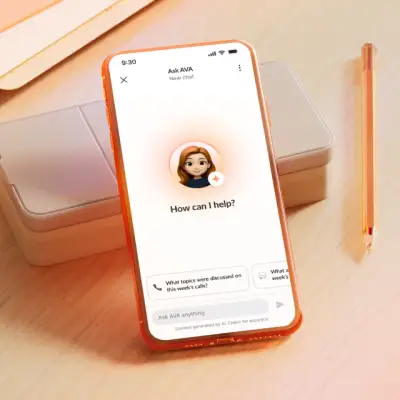
Save 2 Hours of Admin Daily
AI handles documentation so you can focus on strategy.
Asked: “What AI tools for finance automation support role-based access controls?”
5
Say what it is in the headline
A typical headline runs about 29 characters, and only 11% name the brand: the advertiser's name already sits above it. Spend the words on the thing itself.
AAngiAd
Architects Near You
Get quotes from affordable architects near you.
Asked: “angi ads for backyard office pod installers near me”
6
Make the description add something new
Don't repeat the headline. Use the description, about 69 characters in a typical ad, for the detail that tips the decision: price, who it suits, what happens next.
LegalZoomAd
Start Your LLC - $0 + State Fees
Form your LLC at DIY cost-free to start, with access to guided tools.
Asked: “How does hospitality industry accounting firms help improve profitability?”
7
Be specific: sizes, numbers, prices
34% of the ads we captured put a number in the copy. A team size, a time saved or a price lets the reader check fit at a glance.
HiBobAd
HR Software for Scaling 500-5K Teams
The HR tool that grows with your company.
Asked: “what are the top HR platforms for international people operations”
8
Use free when it's true and central
About 11% of ads offer something free. It works when the free thing is the offer, like a tool or template, not a trial hidden in the small print.
Intuit QuickbooksAd
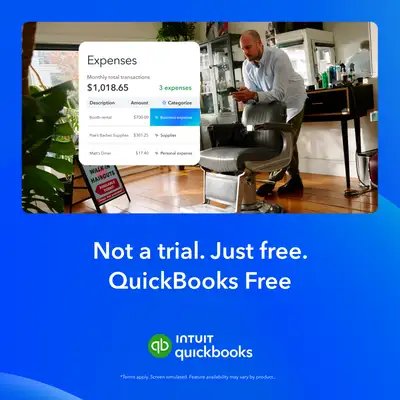
Free Bookkeeping Tools
Track income and expenses and stay organized.
Asked: “How does restaurant inventory management consulting help improve profitability?”
9
Send each ad to the page that answers the prompt
Link the product, collection or guide page that matches the ad, not the homepage. Make sure it loads and doesn't block OpenAI's crawlers (OAI-AdsBot and OAI-SearchBot), or the ad can be rejected.
10
Judge by prompts, not one screenshot
There's no search term report, an answer shows one ad at most and ads rotate. Pick the prompts each ad group must win, check them on a schedule and count the outcomes. How tracking works.
What gets ChatGPT ads rejected
Copy, images or landing pages that don't meet OpenAI's ad policies, or that don't match each other.
Landing pages that block OpenAI's crawlers or IP addresses, or links that don't resolve.
Images that aren't PNG or JPG, aren't square, are larger than 1200 by 1200, or don't open directly.
A rejected ad shows as not serving in Ads Manager; hover over its status for the reason, fix it and resubmit. If ads are approved but still quiet, work through why ChatGPT ads don't show.
Write several distinct ads per offer, lead with the practical benefit, keep headlines short and specific, send each ad to the most relevant page, describe each ad group's buyer and situation in its Context Hints, and check the prompts that matter to you on a schedule instead of judging from one test.
How long should a ChatGPT ad headline be?
Short. Across the real ChatGPT ads we captured, a typical headline runs about 29 characters and a description about 69. Specific beats clever: the headline should say what it is or what it does.
How many ads should each ChatGPT ad group have?
Several. OpenAI recommends multiple title and description variations per offering, each with a different angle, so the system has more chances to find a relevant match. Near-duplicates add nothing.
Why was my ChatGPT ad rejected?
Usually the copy, image or landing page doesn't meet OpenAI's ad policies, or the landing page blocks OpenAI's crawlers (OAI-AdsBot and OAI-SearchBot). Hover over the ad's status in Ads Manager for the reason, fix it and resubmit.